Floral Butterfly Paper Cut SVG
A Delicate Dance—Not Just Another Floral Silhouette
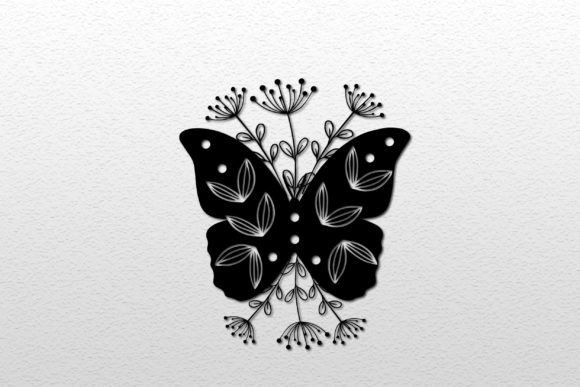
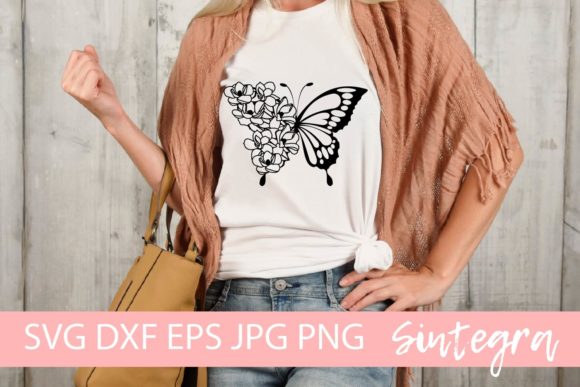
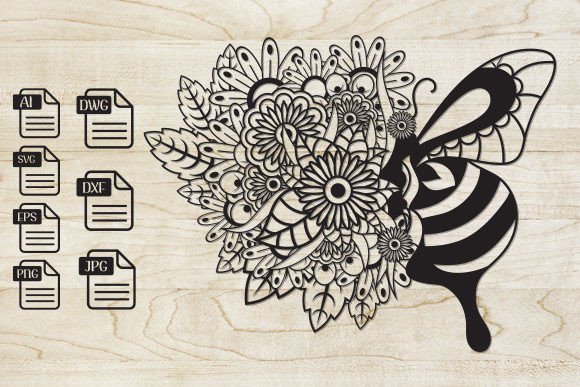
First glance at the Floral Butterfly Paper Cut SVG isn’t about bold impact—it’s about quiet intention. The design balances airy negative space with fine, interwoven florals and a central butterfly whose wings echo botanical curves rather than rigid symmetry. It feels hand-cut, not algorithm-generated: subtle irregularities in petal edges, slight tapering in stems, and layered depth that suggests paper stacking—not flat vector fill. That matters. When translated to embroidery, this isn’t a design that shouts; it invites closer looking. I immediately pictured it on a linen tea towel for a small-batch kitchen boutique—soft, thoughtful, quietly refined.
Where It Lives Best (and Where It Might Struggle)
In real project use, the Floral Butterfly Paper Cut SVG shines brightest where delicacy reads as craftsmanship—not clutter. On a lightweight cotton tote bag? Yes—especially when stitched with matte cotton thread and minimal fill stitch density. On a baby onesie? Absolutely, if sized down to 3–4 inches wide and digitized with generous underlay and reduced satin stitch width to avoid stiffness. As an embroidered patch for denim jackets or aprons? Strong candidate—its open structure allows stabilizer breathability and reduces bulk behind the fabric.
But here’s the honest part: it’s not built for every surface. On highly textured fabrics like heavy terry cloth or bouclé knit, fine stems and wing veins risk disappearing into the pile. On stretchy performance fabrics (think athletic sweatshirts), those thin connecting lines between flowers and butterfly need careful digitizing—running stitch alone won’t hold; you’ll want strategic tack-downs. And on dark fabric? Don’t assume contrast works automatically. Test thread colors early—cream or heather gray thread often reads more clearly than stark white on charcoal or navy.
Commercial Realities: Etsy, Boutique, and Client Work
If you’re an Etsy seller or small shop owner building a cohesive seasonal collection—say, spring nursery decor or botanical-themed personalized gifts—the Floral Butterfly Paper Cut SVG fits naturally into that visual language. Its versatility across file types (SVG, AI, EPS, DXF) means you can adapt it for laser-cut wood tags, printable mockups, or even vinyl decals to pair with your embroidered items. That cross-format flexibility is gold for craft businesses juggling multiple product lines.
Yet commercial use demands realism. This isn’t a “drop-in-and-stitch” machine embroidery design out of the box—it’s a *graphics* file, not a pre-digitized embroidery file. You’ll need to digitize it thoughtfully: adjust stitch direction to follow natural curves, reduce density in tight floral clusters to prevent puckering, and reinforce delicate wing tips with micro-satin or whipstitch outlines. Skipping that step risks a finished product that looks pixelated, stiff, or uneven—undermining customer trust, especially for premium handmade items priced above $35.
Stitching Clarity ≠ Visual Simplicity
The design’s lightness is its strength—and its trap. What reads beautifully in PNG or vector form can collapse in stitch if not handled with care. Tiny interior cutouts (like the center of a daisy or the gap between butterfly antennae) may vanish entirely unless your digitizer adds precise stop points or uses very fine running stitches. Likewise, overlapping floral elements need clean separation in stitch order—no buried layers that create unintended texture. I tested a version on a mid-weight twill cap front: without proper hooping tension and tear-away + cut-away stabilizer combo, the upper left vine curled slightly at the tip. Not catastrophic—but noticeable enough to re-hoop and re-test.
Practical Designer Notes Before You Stitch
- Always test on scrap fabric first—especially with your intended stabilizer stack and thread brand. Thread sheen and thickness vary widely.
- Review stitch density before finalizing. Dense fill in tight blooms will stiffen lightweight fabrics; consider open fill or seed stitch alternatives.
- Confirm hoop size compatibility. At full scale, this design spans ~6.5" wide—fine for 6x10 hoops, but tight for smaller frames. Scale thoughtfully.
- Inspect small details at 200% zoom in your embroidery software. Are wing veins legible? Do stem ends taper cleanly? If not, simplify before digitizing.
- Test black-and-white mockups—not just color. High-contrast previews reveal clarity issues invisible in full RGB.
- Compare light vs. dark fabric backgrounds using your actual thread palette. A pale yellow thread might glow on ivory linen but disappear on oatmeal canvas.
- Use proper stabilizer: medium cut-away for knits, tear-away + light cut-away for stable wovens, and fusible + tear-away for lightweight silks or rayon blends.
- Verify licensing before selling finished items or digital products. The listing includes SVG, DWG, DXF, AI, EPS, PNG, and JPG—but doesn’t state commercial use terms. Confirm before listing on Etsy or bundling with other design assets.
Final Thought: Mood Over Mass
The Floral Butterfly Paper Cut SVG won’t dominate a holiday sweater or anchor a festival merch line. But it excels where subtlety builds value: a monogrammed pillow cover for a new parent, a custom embroidered apron for a local florist, a limited-run batch of linen napkins for a wedding boutique. It supports storytelling—not shouting. For embroidery designers and craft business owners who prioritize intentional making over volume, this is less a “design to use” and more a “mood to translate.” Handle it with care, digitize with respect for its paper-cut soul, and it’ll elevate your handmade product—not just fill space.